As cities around the world face growing challenges related to air quality, climate change, and public health, urban greenery is gaining renewed attention as a vital part of sustainable development. Among all forms of green infrastructure, trees stand out as natural air purifiers. When selected and planted strategically, trees play a powerful role in filtering pollutants, reducing heat, and improving overall urban livability.
However, not all trees have the same impact, and not all planting practices are equally effective. This article explores how properly planted trees help reduce air pollution in urban environments, what factors influence their effectiveness, and how cities can maximize the environmental and health benefits of their urban forests.
Why Urban Air Pollution Is a Growing Problem
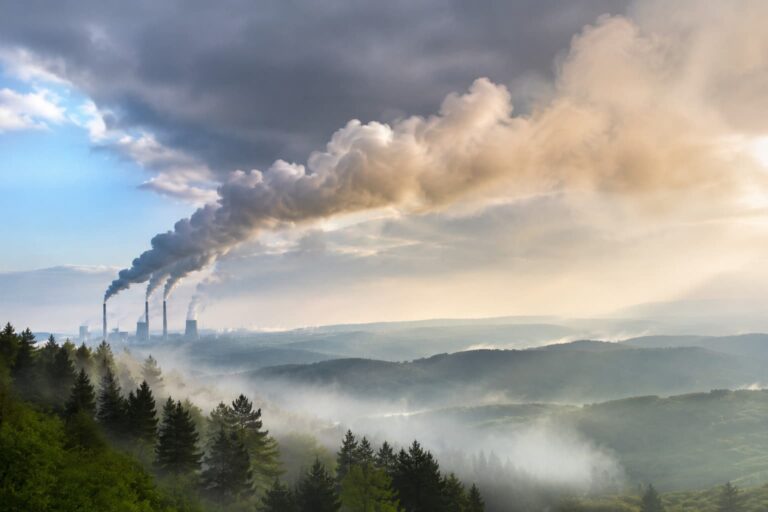
Urban air pollution is a major global health concern. According to the World Health Organization, over 90% of the world’s population breathes air that exceeds recommended pollution levels. In cities, common sources of pollution include traffic emissions, industrial activities, construction dust, and residential heating.
Fine particulate matter (PM2.5), nitrogen dioxide (NO₂), ground-level ozone (O₃), and sulfur dioxide (SO₂) are among the most harmful pollutants. These substances can lead to respiratory and cardiovascular diseases, decreased lung function, and premature death.
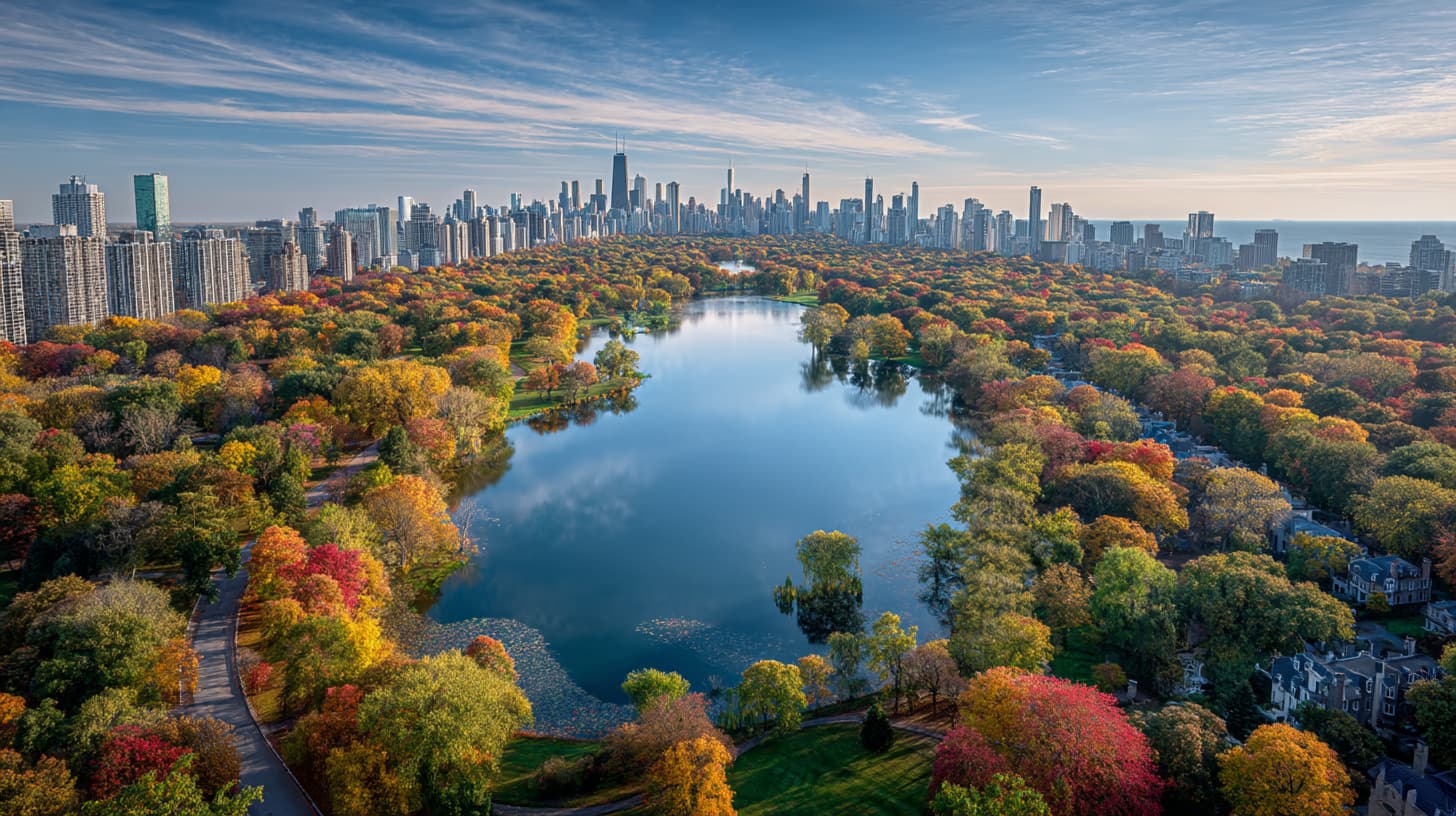
In this context, green spaces—especially trees—offer more than aesthetic value. They act as buffers, filtering harmful pollutants from the air and improving local air quality.
How Trees Clean the Air
Trees remove pollutants from the atmosphere in several ways:
- Deposition: Leaves and needles capture airborne particles, including dust, ash, soot, and pollen. These particles stick to leaf surfaces and are eventually washed away by rain.
- Absorption: Through their stomata, trees absorb gaseous pollutants like ozone, nitrogen dioxide, and sulfur dioxide.
- Temperature Regulation: By providing shade and releasing water vapor through transpiration, trees lower urban temperatures, which in turn reduces the formation of ground-level ozone—a pollutant that increases with heat.
Additionally, trees help reduce the urban heat island effect, which contributes indirectly to improved air quality by lowering energy use and reducing the need for air conditioning, a common source of emissions.
Not All Trees Are Created Equal
While trees offer many benefits, their effectiveness in reducing air pollution depends on species selection, health, location, and maintenance. In some cases, poorly chosen or maintained trees can even contribute to air quality problems (e.g., by emitting volatile organic compounds that react with sunlight to form ozone).
Here are key factors that determine a tree’s ability to improve air quality:
Species Selection
- Broadleaf trees like oaks, maples, and birches generally have a larger leaf surface area, which improves pollutant capture.
- Some conifers are effective year-round due to their evergreen foliage.
- Avoid species known for high pollen production or high VOC emissions (such as certain eucalyptus or poplars) in high-density areas.
Leaf Characteristics
- Trees with dense, hairy, or sticky leaves tend to trap more particulates.
- Leaf orientation and structure also affect how much pollution is captured.
Height and Canopy Size
- Large, mature trees with wide canopies intercept more pollutants than small or young trees.
- However, very dense canopies in narrow streets (urban canyons) can limit air circulation and trap pollution at ground level, especially near traffic-heavy roads.
Placement and Spacing
- Trees planted near roads and industrial sites capture pollutants at their source.
- Green buffers or linear forests along highways can shield neighborhoods from vehicle emissions.
- Strategically spaced trees allow for airflow while still capturing pollutants, avoiding stagnation.
Case Studies and Evidence
Several studies from around the world confirm the role of trees in air pollution control:
- In London, urban trees were found to remove 852 tons of pollutants annually, including PM10 and NO₂, contributing to measurable reductions in respiratory illness rates.
- A study in Beijing showed that roadside tree belts significantly reduced PM2.5 concentrations in adjacent pedestrian areas.
- In New York City, it was estimated that trees remove over 1,800 metric tons of air pollution annually, providing public health savings of more than $60 million.
These examples underscore that the presence of trees in the right place, and in sufficient numbers, can offer tangible improvements in urban air quality.
Best Practices for Planting Trees for Air Quality
To maximize the pollution-reducing effects of trees, urban planners, architects, and policymakers should consider the following best practices:
- Conduct site-specific assessments to determine the most polluted areas and target tree planting accordingly.
- Choose diverse, low-emission tree species suited to the local climate and pollution profile.
- Design tree planting layouts that allow airflow, avoid tunnel effects, and integrate with other green infrastructure such as green roofs and walls.
- Maintain urban trees regularly, including pruning, pest control, and replacement of dead or diseased specimens.
- Engage communities in tree planting and stewardship programs to ensure long-term care and support.
Additionally, combining trees with other solutions—such as reducing traffic, electrifying transport, and enforcing emissions regulations—yields the strongest results for urban air quality improvement.
The Broader Benefits of Trees
Beyond air pollution, urban trees offer a range of co-benefits that support public health and resilience:
- Noise reduction through sound absorption
- Mental health improvements via exposure to green environments
- Carbon sequestration to mitigate climate change
- Flood control and water retention
- Increased biodiversity and habitat creation
These cumulative benefits strengthen the case for investing in urban forestry as a multi-functional strategy for healthier cities.
Conclusion
Properly planted trees are not just decorations or luxuries—they are essential components of a clean, livable, and resilient urban environment. When selected and positioned with care, trees can significantly reduce air pollution, cool cities, and improve quality of life.
As urban areas expand and environmental challenges intensify, integrating tree planting into public policy, infrastructure planning, and community action is more urgent than ever. Cleaner air, healthier communities, and greener streets all start with the simple but powerful act of planting the right tree in the right place.