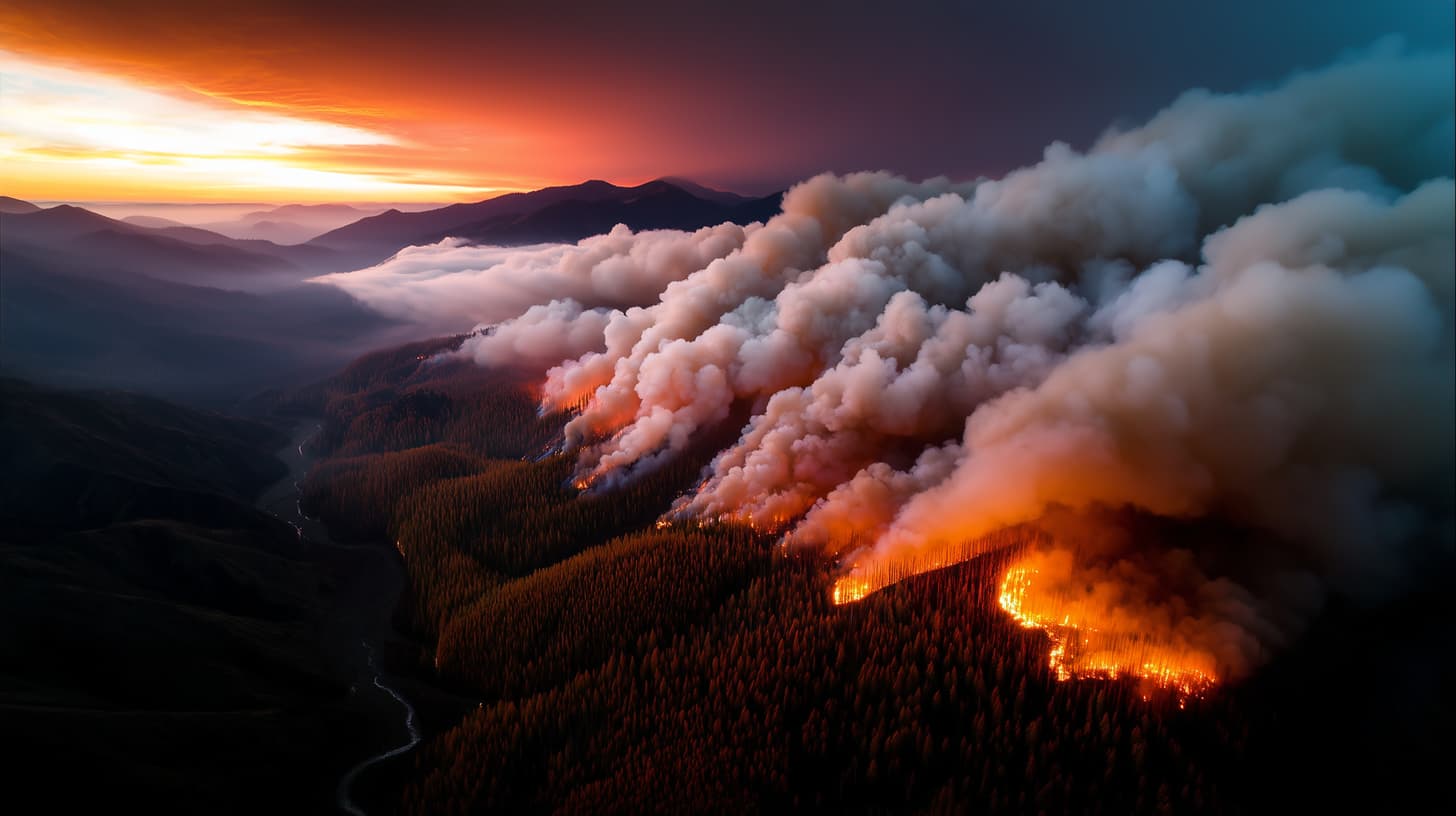
In recent years, wildfires have become increasingly intense, widespread, and destructive. Fueled by a combination of prolonged droughts, rising temperatures, and shifting weather patterns, fire seasons in regions like Canada and Australia have reached unprecedented scales. Alongside the devastating impact on lives, landscapes, and infrastructure, wildfires pose a growing threat to something less visible but equally critical: the air we breathe.
The wildfire seasons of 2023 and 2024 in Canada and Australia have provided a stark reminder of how fragile air quality is in the face of climate-driven disasters. Smoke from these fires has blanketed entire cities, crossed international borders, and forced millions of people to stay indoors or wear protective masks. In this article, we examine how wildfires affect air quality, what we have learned from the most recent fire seasons, and how science, technology, and policy are responding to this complex challenge.
The Link Between Wildfires and Air Pollution
Wildfires produce massive amounts of particulate matter, especially PM2.5—fine inhalable particles that are 2.5 micrometers or smaller. These particles can penetrate deep into the lungs and even enter the bloodstream, posing serious risks to human health. In addition to PM2.5, fires release carbon monoxide (CO), nitrogen oxides (NOx), and volatile organic compounds (VOCs), all of which contribute to poor air quality and smog formation.
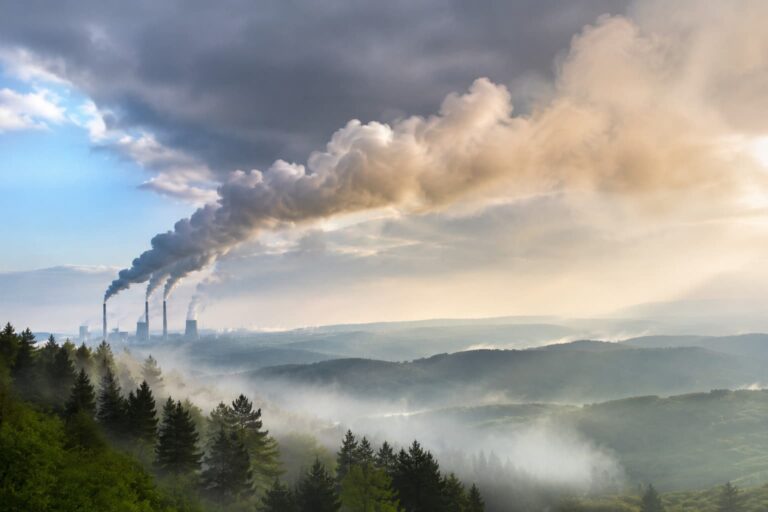
Unlike pollution from vehicles or industry, wildfire smoke is harder to control and predict. It travels hundreds or even thousands of kilometers, affecting communities far from the flames. In 2023, for example, smoke from Canadian wildfires reached major cities in the northeastern United States, turning skies orange and pushing air quality indices into the hazardous range.
Canada 2023–2024: A Record-Breaking Fire Season
Canada experienced its worst wildfire season on record in 2023, with over 18 million hectares burned—more than six times the historical average. Fires erupted in almost every province and territory, from British Columbia to Quebec, driven by unusually dry conditions and above-average temperatures.
The scale and duration of the fires led to sustained periods of dangerous air quality in many areas. Cities like Toronto, Ottawa, and Montreal issued repeated air quality alerts, while smaller communities near the fires faced near-permanent haze for weeks. Air quality monitoring stations recorded PM2.5 levels well above safe thresholds set by the World Health Organization (WHO), sometimes for days at a time.
One of the most significant takeaways from the Canadian experience was the international impact. As smoke drifted southward into the United States, cities like New York and Washington, D.C., temporarily experienced some of the worst air quality in the world—even worse than megacities in Asia known for chronic pollution.
Australia’s Fire History and Its Ongoing Lessons
Australia, too, has faced devastating wildfire seasons in recent years, most notably the 2019–2020 “Black Summer,” which burned more than 24 million hectares. In the summers since, while not as catastrophic, fire seasons have continued to pose serious challenges, particularly in rural New South Wales and Victoria.
In early 2024, heatwaves and dry lightning contributed to flare-ups across bushland areas. While fewer in scale than previous years, these fires still caused significant localized air quality deterioration. Canberra and Sydney experienced several days of hazardous air, prompting school closures and warnings for people with respiratory conditions.
Australia’s experience highlights a critical pattern: even small-scale fires can cause disproportionate air quality issues when they occur close to urban centers. Additionally, the legacy of long-term bushfire exposure—including mental health impacts, chronic illnesses, and economic loss—continues to influence public policy and preparedness.
What the Data Shows
Thanks to improved air quality monitoring systems and satellite tracking, researchers now have access to real-time and retrospective data on smoke and pollutant dispersion. Platforms such as OpenAQ, NASA’s Fire Information for Resource Management System (FIRMS), and AirNow provide vital insight into how wildfire smoke behaves across different regions.
Recent data from Canada and Australia confirms several trends:
- PM2.5 levels spike rapidly with wildfire onset, sometimes exceeding 300–400 µg/m³ (micrograms per cubic meter), compared to the WHO guideline of 15 µg/m³ for 24-hour exposure.
- Air pollution from wildfires lingers even after flames are extinguished, especially during low-wind or inversion weather events.
- Health care systems in affected areas see measurable increases in asthma attacks, heart problems, and emergency room visits during smoke events.
- Disadvantaged communities often bear the brunt of smoke exposure, due to poor housing insulation, limited access to air filtration, or underlying health disparities.
Public Health and Policy Responses
Both Canada and Australia have made strides in communicating air quality risks and offering guidance during smoke events. Mobile apps, online dashboards, and public service announcements now play a central role in warning the public when to stay indoors, avoid exercise, or use air purifiers.
However, experts argue that more proactive measures are needed. These include:
- Investing in “clean air shelters” with filtered ventilation systems for use during smoke emergencies
- Making HEPA air purifiers more affordable and accessible for low-income households
- Supporting research into the long-term health effects of repeated wildfire smoke exposure
- Integrating air quality forecasts into emergency management planning
- Addressing the root causes: forest management, climate adaptation, and emissions reduction
Australia has begun to incorporate Indigenous fire management practices—known as cultural burning—into wildfire risk reduction strategies. These low-intensity, controlled burns aim to reduce fuel loads and preserve ecological balance, and they show promising outcomes for both fire suppression and air quality mitigation.
Personal and Community Actions
Individuals can also play a role in reducing wildfire smoke exposure:
- Monitor local air quality indices and adjust outdoor activity accordingly
- Use certified air filters and keep windows closed during smoke events
- Seal homes and buildings where possible to prevent smoke infiltration
- Advocate for local policies that improve wildfire preparedness and building codes
Community-level resilience is increasingly seen as a vital part of air quality protection. Neighborhood air monitoring networks, school-based alert systems, and citizen science projects can empower residents to take informed action.
Conclusion
The recent wildfire seasons in Canada and Australia underscore a new reality: air quality is no longer just an urban or industrial issue—it is a climate issue. Wildfires are growing in frequency and intensity, and their effects on air quality can no longer be viewed as temporary or peripheral.
The health impacts are real, the geographic reach is global, and the lessons are urgent. To protect the air we breathe, we must rethink how we manage forests, adapt to climate change, and prepare communities for a world where clean air is no longer guaranteed.
By learning from recent crises and investing in smarter monitoring, inclusive policy, and public education, societies can better confront the smoky seasons ahead—and breathe easier in the process.